Keynotes
When shooting keynotes, use a wide lens like a 24-70 and a telephoto like a 70-200. Always have two bodies with you as there is not enough time to be switching lenses. Have a medium telephoto prime ready like an 85 1.8 to 1.2 for audience low light shots.
Speaker
Get a great variety of shots from different angles and framing. Aim for 8-10 keepers per angle
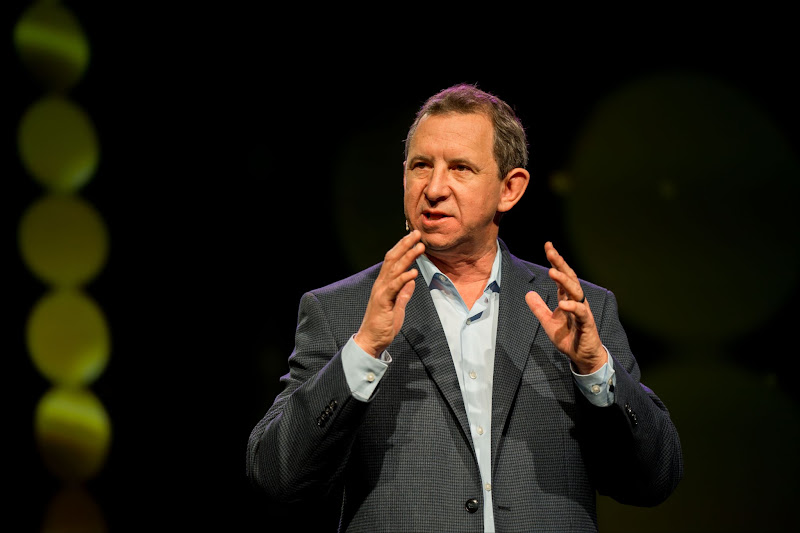
Close Up - Belly Up Framing
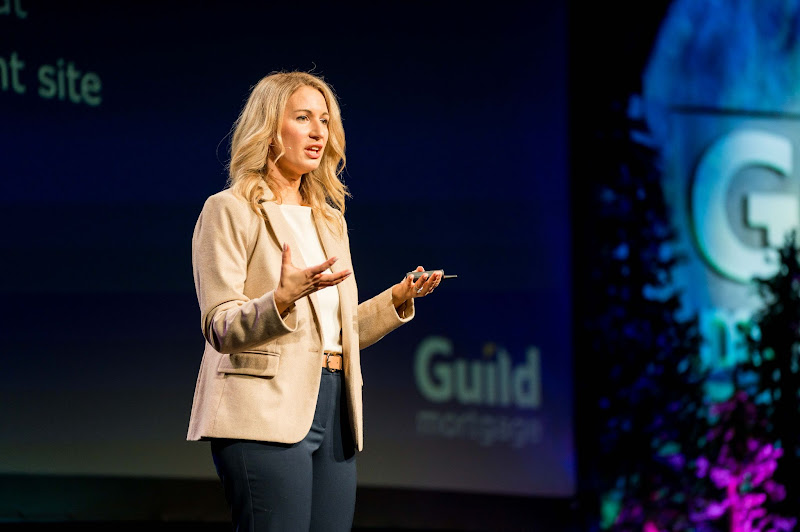
Medium - Knees Up

Full Body/ Head to Toe
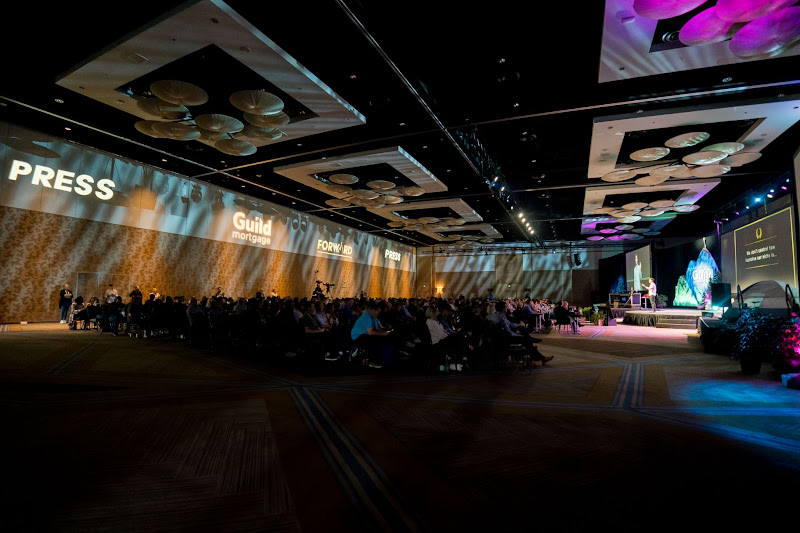
Side Wide/ Speaker and audience in one frame

Wide/ From the back of the room to show scale
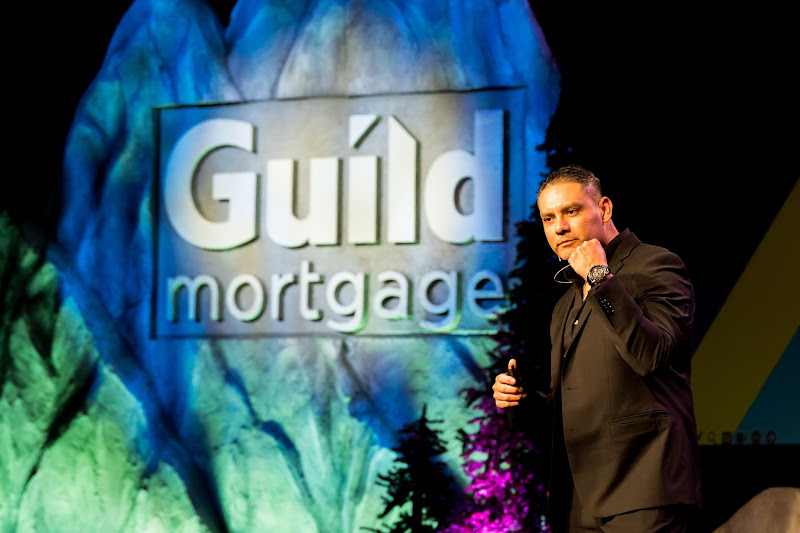
Money Shot/ Speaker with branding in the background
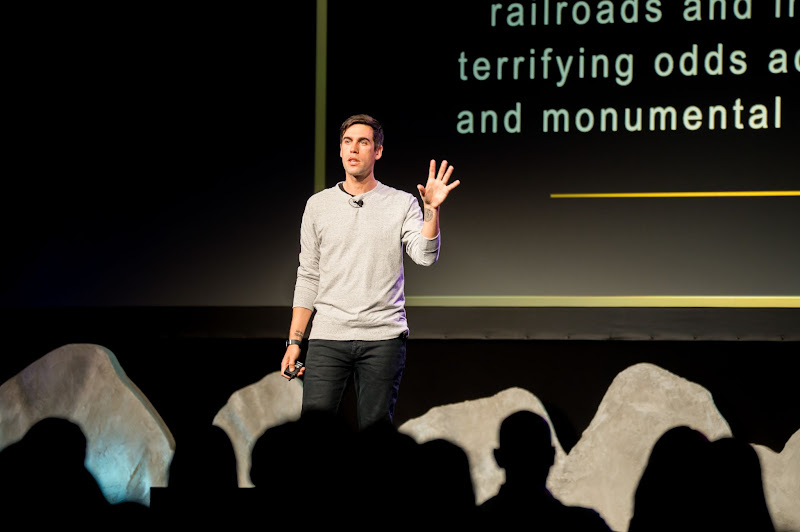
Audience as Foreground
Additional Tips:
- Try to time your shots in between the speakers’ sentence pauses. Oftentimes when they are talking, you will get weird faces. Make sure to review your shot to check that you’ve captured a flattering facial expression.
- Wait for big hand gestures, these often look the best.
- Pay attention, sometimes there will be unexpected moments such as the speaker bringing out a prop, doing a backflip. Always be ready to shoot.
- Set your stage settings and remember them. Stage lighting is most likely going to be consistent. Set your white balance and exposure accordingly and remember them. Try to stay above 1/200 of a second if possible.
- Do not use flash.
Audience
Shooting the audience is one of the toughest parts of a keynote due to the lighting conditions. In most cases, they will be in low light conditions. This is where prime lenses will help.

Smiling/Laughing
These are the shots that the clients will use the most.
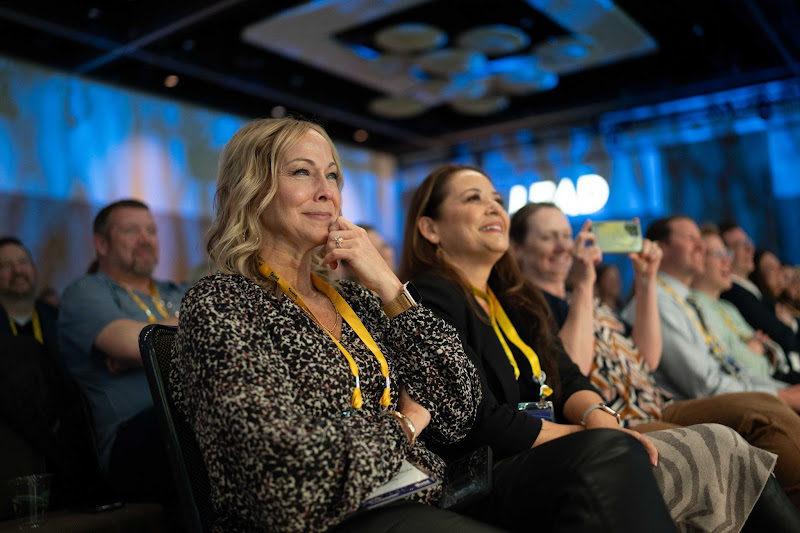
Focused/Attentive
Audience listening and paying close attention
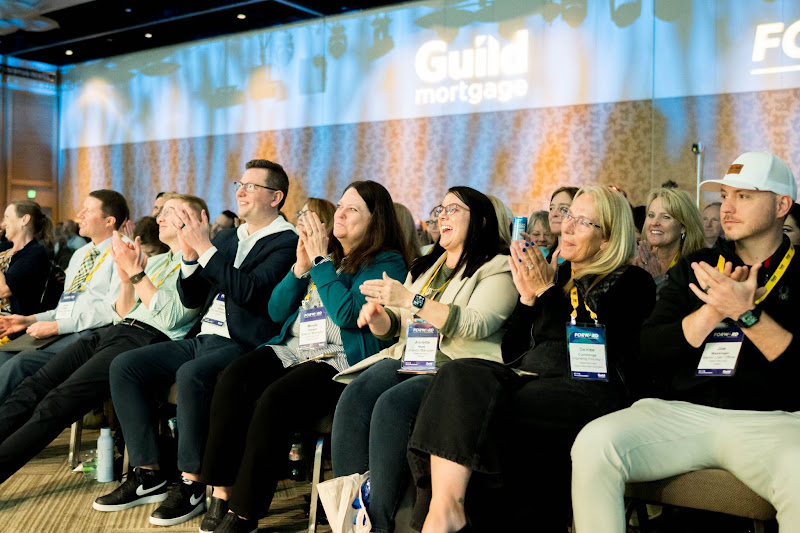
Clapping
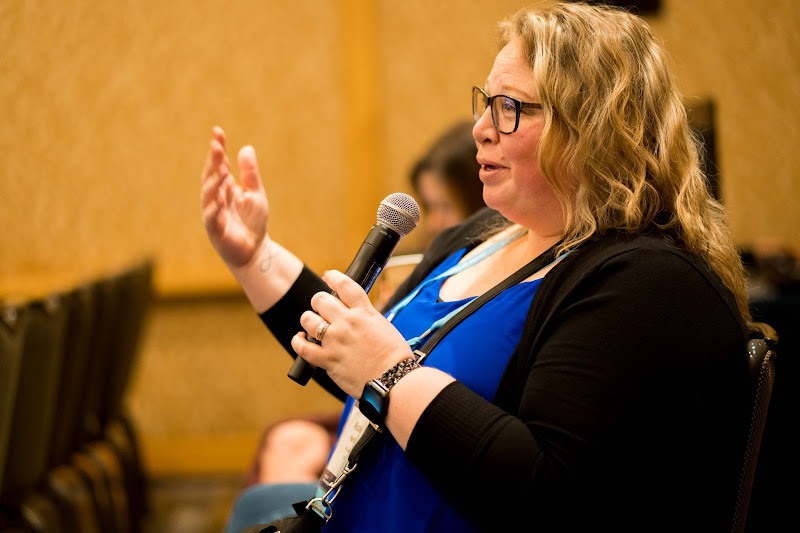
Audience Participation
Raising hands, taking pictures of the screen, holding up a prop, Q&A, anything that has audience participation are great ways to show engagement.
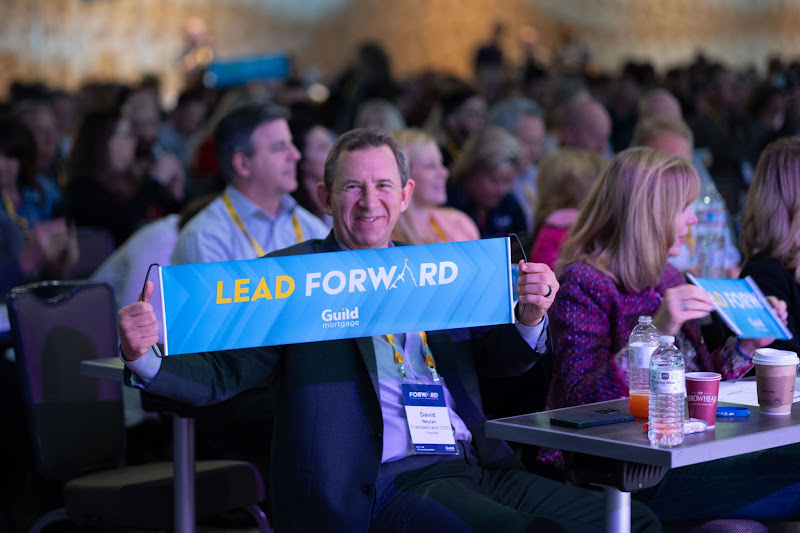
Audience Participation
Raising hands, taking pictures of the screen, holding up a prop, Q&A, anything that has audience participation are great ways to show engagement.
Additional Tips:
- Use a slightly lower shutter speed (1/80 - 1/125) depending on the movement to help with the low light.
- Shoot wide open.
- In the worst case scenarios, expose correctly even if it means shooting at extremely high ISOs. It is more important to get the shot versus worrying about how noisy the image will be.
- Prioritize the audience shots on speaker introduction and exit. You will have plenty of opportunities to photograph the speaker during their keynote, but the biggest claps and reactions will be at the beginning and end of a speech.
- Watch the time for 15, 30, 45 and the top of the hour. Speakers are usually timed in these slots so you can anticipate the ending.
- Camp for a group or a specific person. Some audience members will be more reactive than others, keep an eye on those and stand in their vicinity when you anticipate a clap or a laugh, be ready to shoot a reaction.
- Don’t shoot anyone that looks bored, sleepy or on their cellphones.
- Do not use flash.