Lesson 3: The Main Parts of a Conference
Most conferences are made up of repeating sections or environments, and each part of the event serves a different purpose. One of the easiest ways for a Lumetry team member to understand a conference is to think of it as a sequence of distinct parts rather than one long blur of activity.
Morning activities are often the first layer of the event. This may include registration, badge pickup, coffee, breakfast, welcome signage, staff greeting attendees, and the first casual conversations of the day. Some conferences also begin with optional early experiences such as yoga, a bike ride, a 5K run, or another wellness activity. These moments matter because they establish tone, organization, attendance, and the beginning of the attendee experience.
A general session is the main shared session where a large portion of attendees gather in one room. This is often where leadership speaks to the full audience, where major messages are delivered, and where the production value of the event is most visible. A keynote is a featured presentation within that environment, usually delivered by a particularly important speaker. Keynotes are often treated as high-priority moments because they can represent the biggest message or one of the biggest draws of the event.
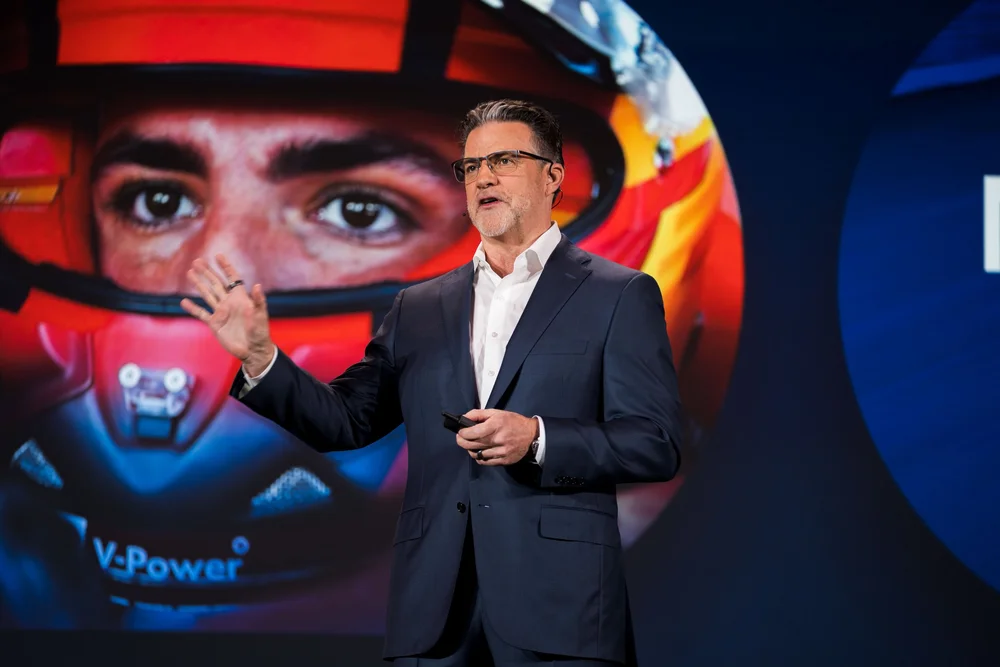
Keynote Speaker
A breakout session is a smaller, more focused session outside the main stage environment. Breakouts are important because they show the conference has depth, specialization, and educational value beyond the big room. A meet and greet may also happen during the day, giving attendees a chance to interact with a speaker, VIP, or host representative more directly.
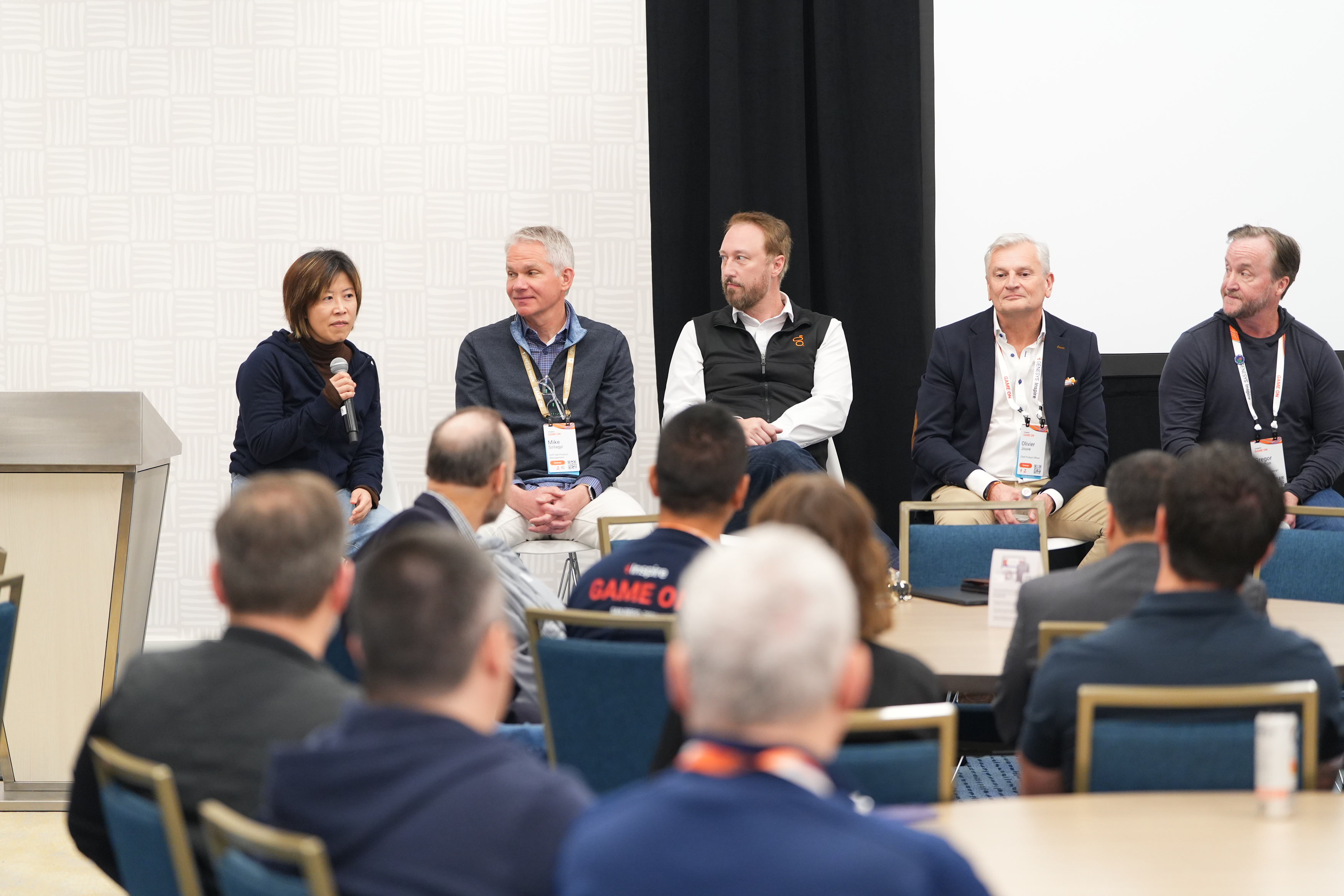
Breakout Session Panelists
The exhibit hall or expo floor is the area where exhibitors, vendors, and sponsors have booths, activations, demos, or branded spaces. This area is often one of the busiest and most commercially important parts of the event. It is where attendees explore products, ask questions, interact with brands, and engage with sponsors.
There are also miscellaneous daytime activities, which may include lunches, side meetings, lounges, workshops, activations, VIP meet and greets, product demos, poster sessions, give-back or volunteer activities, group or team photos, and informal networking between sessions. These are easy to underestimate, but they often help the event feel alive and complete.
An awards ceremony is also an important part of many conferences. It may happen during the day, at dinner, or as part of an evening program. Awards ceremonies matter because they recognize people publicly, create strong emotional reactions, support prestige, and often represent a high-value moment for the client. They can be especially important at sales meetings, leadership events, internal conferences, and President’s Club programs.

Awards Show
A happy hour or cocktail hour is usually a social block near the end of the workday, where drinks, conversation, and networking become the focus. Some conferences also include offsite activities such as going to a bar, visiting a theme park, taking attendees to a local attraction, or organizing a special experience away from the main venue. There may also be offsite dinners where attendees, VIPs, or clients gather in a restaurant or private venue outside the hotel or convention center.
Some conferences continue into evening parties or larger nighttime events such as awards dinners, theme parties, receptions, concerts, or celebration-focused gatherings. These often provide the emotional finish of the event and can be some of the most memorable parts of the attendee experience.
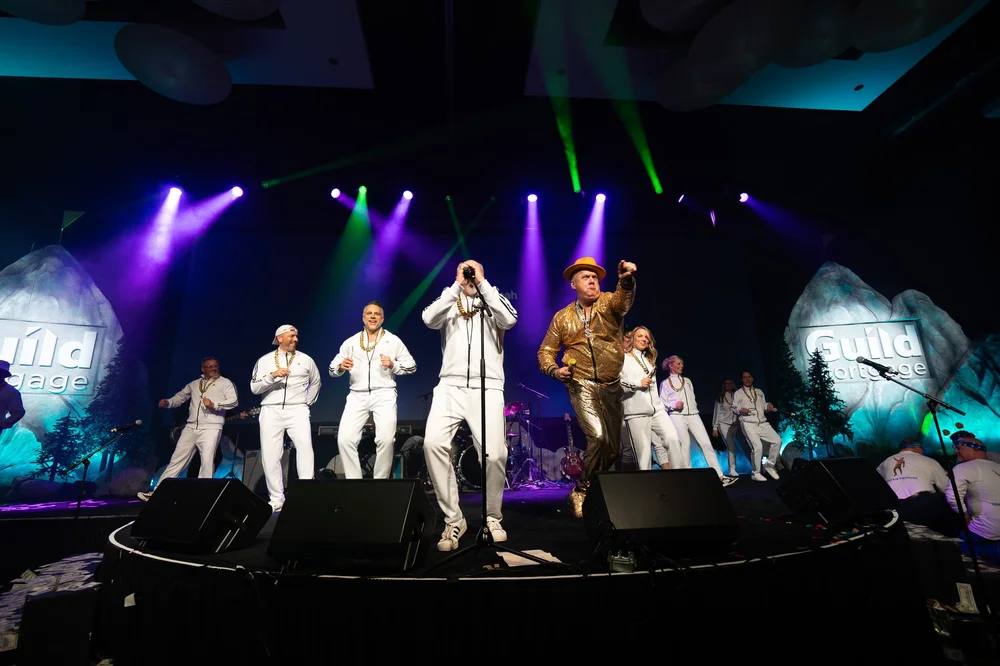
Attendees Performance at an evening party
For Lumetry photographers specifically, each part of the conference should feel different in the final coverage. Morning arrival should not look like a cocktail hour. A keynote should not be covered the same way as a breakout. An exhibit hall should not be treated like a ballroom. Understanding the parts of the event helps the whole company, but it especially helps our photographers execute with more intention.
Lesson Takeaways
- Think of a conference as a sequence of distinct environments, not one long event.
- Awards ceremonies are a major conference component in many event types.
- Lumetry photographers should treat each part of the event differently because each part serves a different purpose.
Lesson 3
Pop Quiz · Passing: 100%