Lesson 7: Positioning, Timing, and On-Site Execution
Conference work is heavily shaped by where people are, when they move, and how prepared they are before key moments start. That is true for photographers, but it also affects operations, coordination, and client service more broadly. Good execution usually looks calm, prepared, and intentional.
For Lumetry photographers specifically, positioning matters enormously. In a general session, one angle rarely tells the whole story. A photographer may need one position for room scale, another for speaker expression, another for branding, and another for audience reaction. In breakouts, movement needs to be quieter and more controlled because the room is smaller. In networking areas, the job becomes more fluid because interaction develops naturally and may not hold still for long. On expo floors, the challenge is balancing activity and clarity so the coverage feels alive without becoming chaotic.
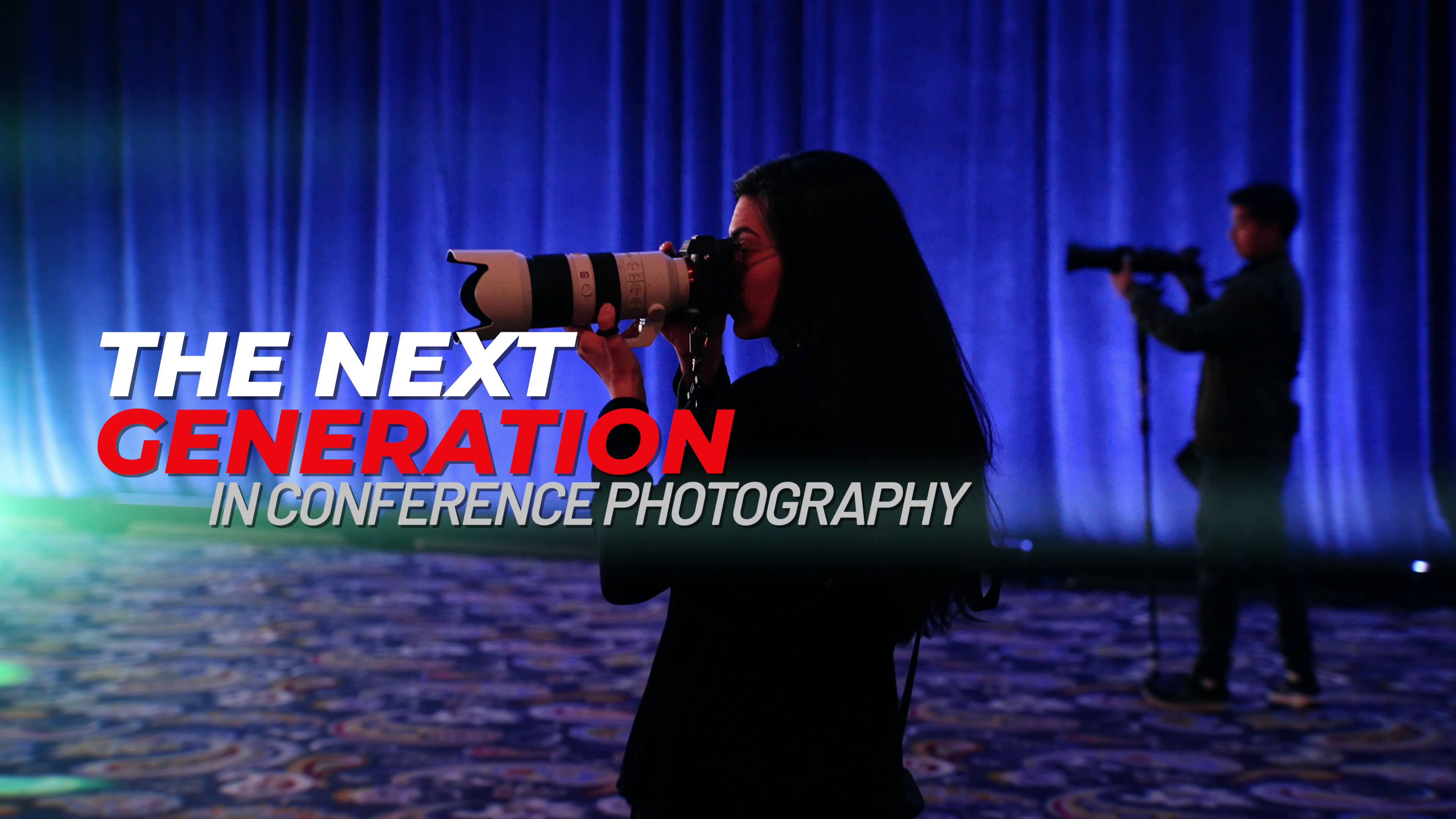
A simple operational rule helps: move before the moment, not after it. If the keynote is about to begin, be in place already. If an award is about to be announced, know your angle before the name is called. If a breakout is ending, be ready for the hallway conversations that often follow. That mindset applies outside photography too. Teams that think ahead usually serve the client better than teams that only react once the moment has already arrived.
One of the clearest differences between a beginner and a more experienced event professional is whether they mostly react or mostly anticipate. Reaction means noticing a moment only after it has already started. Anticipation means preparing before the moment peaks. In conferences, this matters because many important moments are brief and may never repeat.
Anticipation and reading the room is important. Anticipation comes from awareness. It begins with the schedule and the overall event flow, but it also comes from watching people. Body language often reveals a moment before it becomes obvious. A speaker moving toward the stage entrance, attendees turning their attention in one direction, a crowd gathering around a booth, or a moderator wrapping up a panel can all signal that something useful is about to happen.
Reading the room is tied to reading energy. Some rooms are focused, some are social, some are busy, and some are flat. Quiet does not mean unimportant. A room full of attentive people can still be a strong and valuable environment. A crowded space can still feel weak if nothing meaningful is happening inside the activity.
At Lumetry, this principle matters across roles. Photographers use it to get stronger coverage. Operations can use it to stay ahead of timing issues. Client-facing team members can use it to better understand what matters to the attendee and the planner. The more predictively the team thinks, the better the execution tends to be.
Lesson Takeaways
- Good on-site execution depends on preparation, awareness, and calm movement.
- Lumetry photographers should position early and intentionally rather than react late.
- Thinking ahead helps the whole team, not just the image makers.
Lesson 7
Pop Quiz · Passing: 100%