Lesson 4: Conference Spaces and Common Room Types
A conference is not just defined by its schedule. It is also shaped by the spaces in which it happens. Understanding the venue helps everyone at Lumetry navigate the event more intelligently. It also helps explain why certain moments happen where they do.
A ballroom is usually a large event room used for general sessions, keynotes, awards dinners, or large meals. A meeting room or smaller session room is often used for breakouts, workshops, or private discussions. A foyer is the open area outside ballrooms or meeting rooms where registration, networking, signage, coffee stations, and casual conversation often happen. A hall may refer to a corridor, a lobby-like space, or a general circulation area depending on the venue.
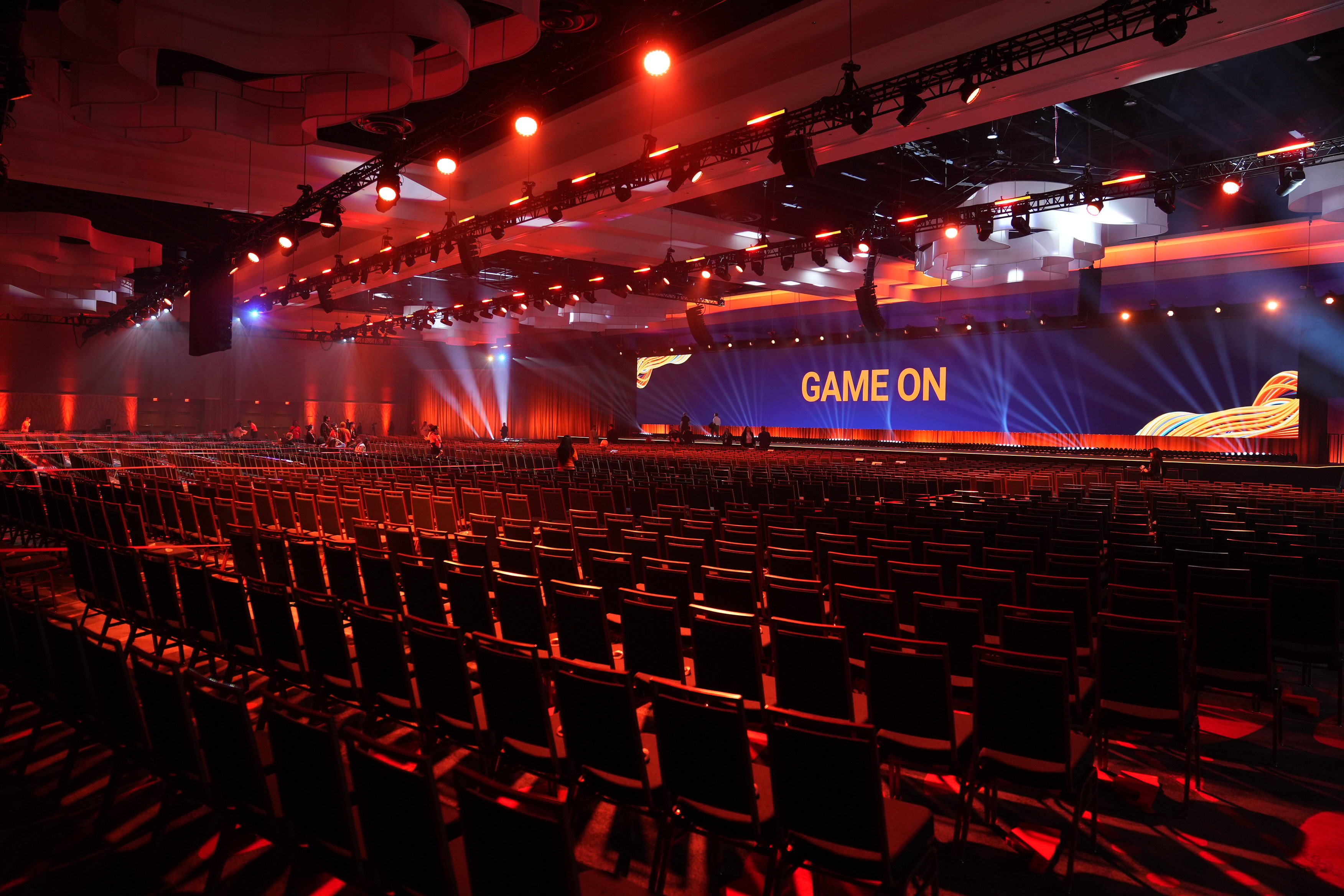
Keynote Ballroom
Some venues also include lounges for networking or sponsor hospitality, green rooms where speakers wait before going on stage, and a war room where event staff, planners, and sometimes photographers or media teams regroup, store gear, coordinate logistics, or solve problems. Understanding these spaces helps explain how the event operates behind the scenes, not just what attendees see publicly.
For Lumetry teams on site, learning the venue language can reduce confusion quickly. If someone says the keynote is moving from the ballroom to a breakout room, or that sponsor traffic is building in the foyer, or that gear is being staged in the war room, those terms should feel normal rather than mysterious.
Lesson Takeaways
- Venue spaces shape the event experience and the event workflow.
- Knowing room types helps Lumetry teams navigate and coordinate more effectively.
- Photographers benefit from understanding both public-facing and behind-the-scenes spaces.
Lesson 4
Pop Quiz · Passing: 100%